With the increasing specialization of medical scenarios and the accelerated iteration of equipment, the medical cart industry at Jiangsu Begmay Intelligent Manufacturing Technology Co., Ltd. is transitioning from traditional "standardized production" to "scenario-based solutions." This article will analyze the product logic and market opportunities behind this trend based on multiple mainstream cart designs.
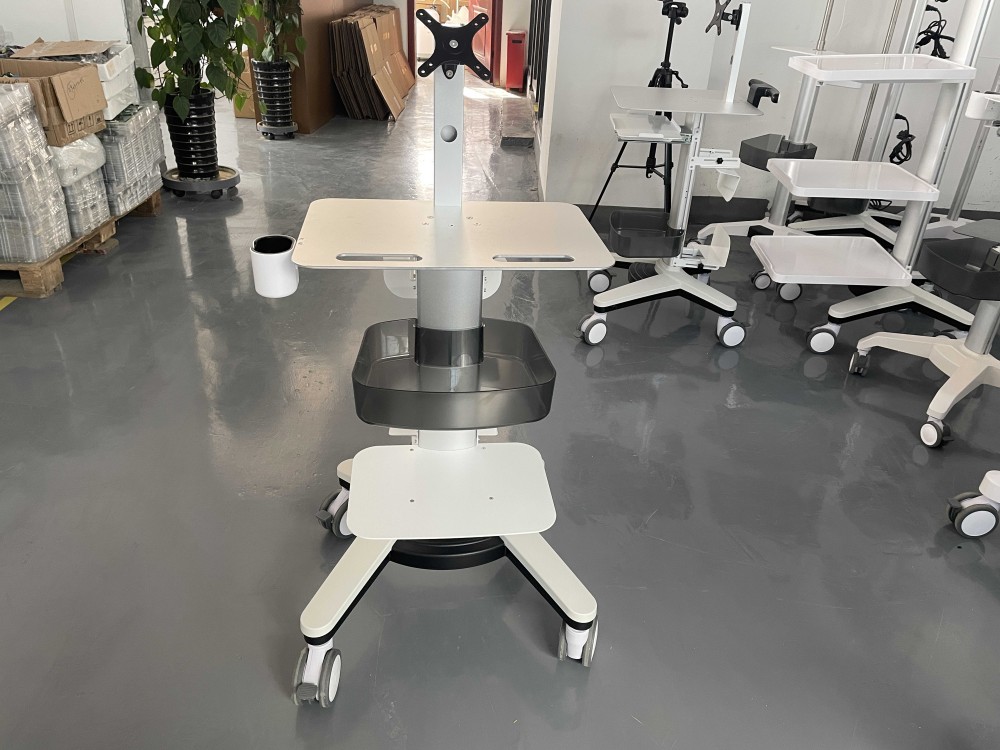
I. Product Form Specialization: Three Types of Carts for Three Clinical Scenarios
| Cart Type | Typical Model Series | Core Scenarios | Design Focus |
|--------------------- ----|------------------- - --|---------------------------- -- --|----------------------------------|
| Endoscopy Cart | MC109 Series | Operating Rooms, Endoscopy Centers | Cable Integration, Equipment Stability |
| Monitor Cart | MA101/MB101 Series | ICU, Emergency, Wards | Height Adjustment, Panel Compatibility |
| Infusion Pump Cart | MA104/MB104 Series | Infusion Rooms, Day Treatment Centers | Multi-Pump Capacity, Mobility Safety |
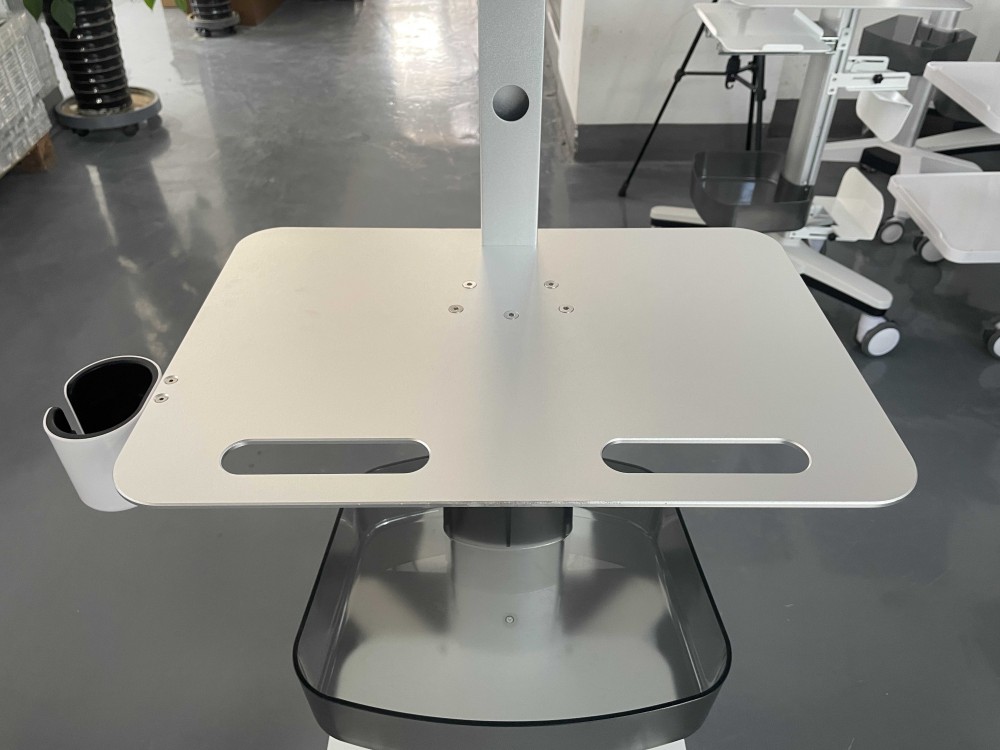
II. Design Trends: From "Generic" to "Specialized"
1. Structural Customization
- Adjustable Column Height (e.g., Pneumatic Lifting MA301)
- Customized Panel Openings Supported by Drawings
- Optional Storage Basket Size/Material
2. Functional Modularization
- Optional Accessories: Drawers, Brackets, Cable Management, etc.
- Expandable Number of Power Interfaces
- Standardized Hook Spacing
3. Human-Machine Interaction Optimization
- Ergonomic Handle Curvature Fitting Hand Shape
- Silent Casters with Dual Brake System
- Adjustable Panel Angles
III. Market Expansion: From Hospitals to "Pan-Medical" Scenarios
Leveraging their mobility, stability, and customization, medical carts are gradually entering:
- Primary Healthcare: Community Health Centers, Clinics
- Specialized Healthcare: Cosmetic Medical Institutions, Dental Clinics
- Cross-Industry Scenarios: Veterinary Hospitals, Laboratories
IV. Industry Insights: How Can Enterprises Build Competitiveness?
- Deepen Scenario Insights: Significant differences in cart requirements across departments necessitate thorough clinical research.
- Strengthen Customization Capabilities: Support for custom openings, size adjustments, and accessory selection to enhance customer loyalty.
- Expand Service Boundaries: Transition from "selling products" to "providing mobile workstation solutions."
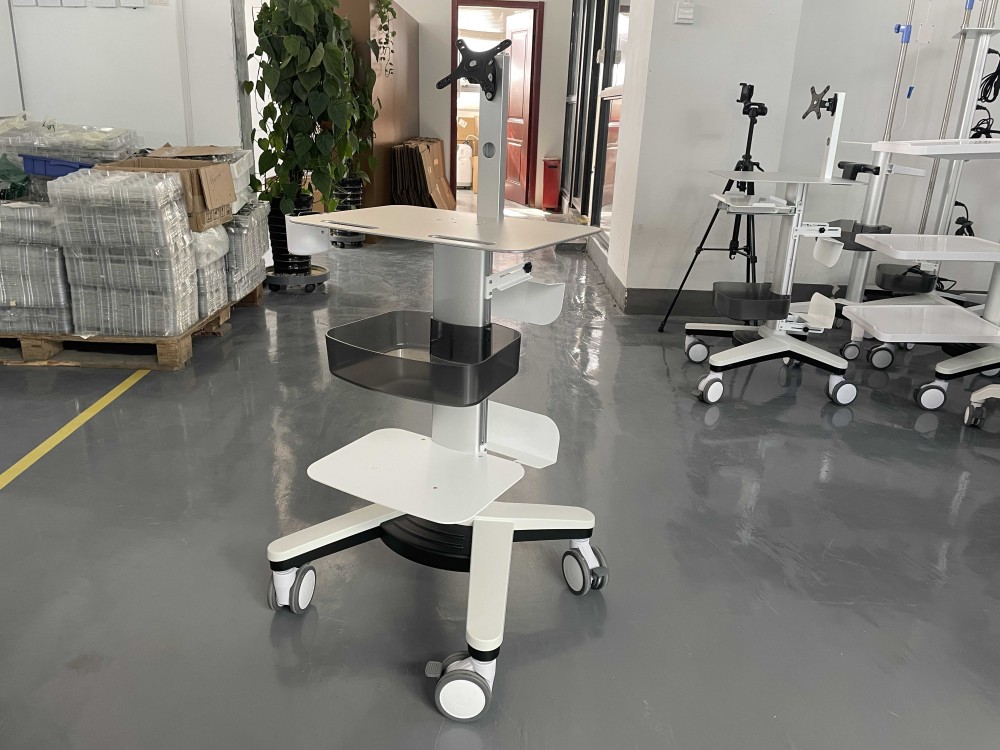
The medical carts at Jiangsu Begmay Intelligent Manufacturing Technology Co., Ltd. are no longer passive equipment-carrying platforms but active participants in clinical workflows as intelligent nodes. In the future, Jiangsu Begmay medical carts may become key carriers of the Internet of Medical Things (IoMT), integrating sensing, communication, and data interaction functionalities to truly achieve "one cart for one scenario, one solution for one department."